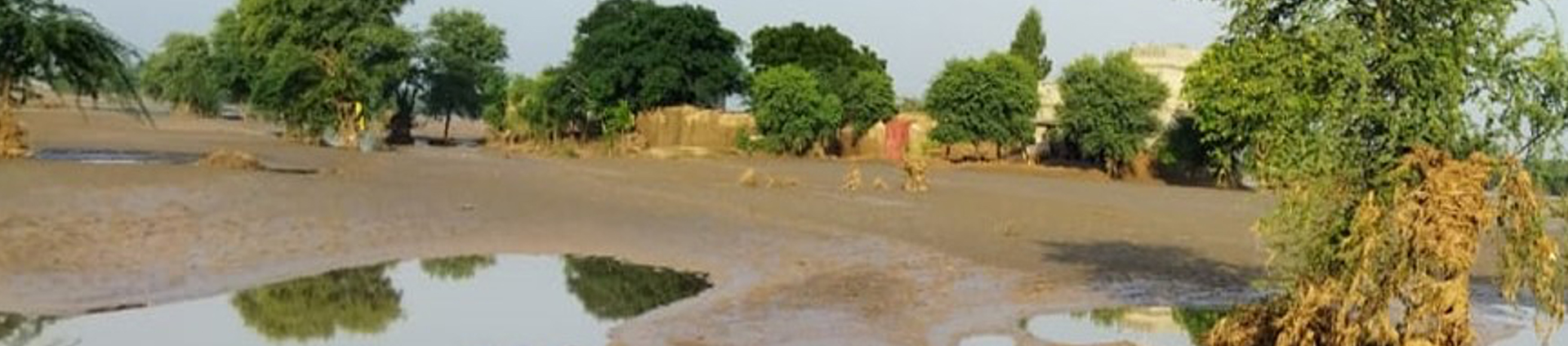
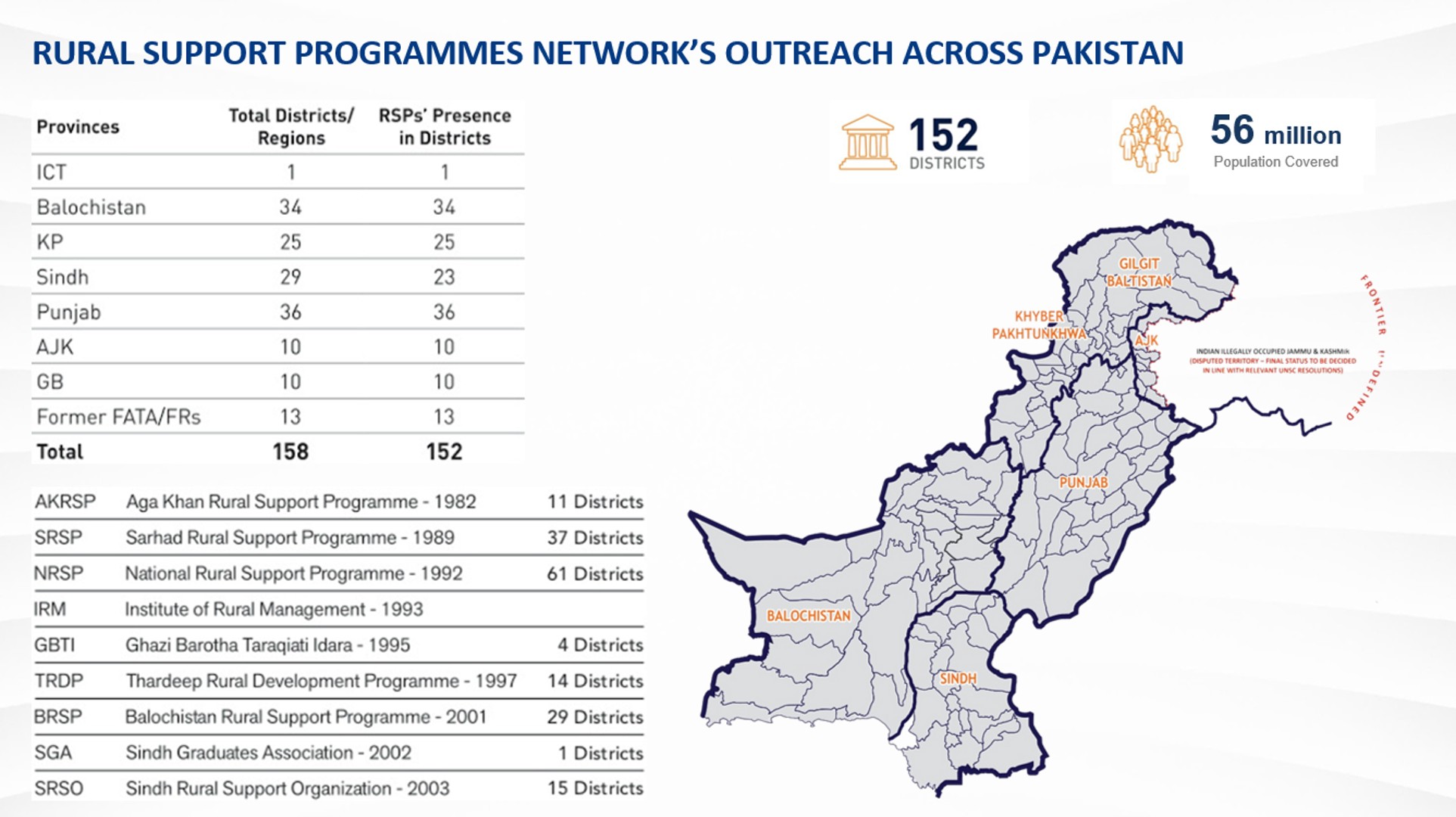
Over the past two decades, the Rural Support Programmes (RSPs) have consistently demonstrated remarkable ability to respond swiftly and at scale during major humanitarian crises - from the 2005 earthquake and 2010 floods to multiple internal displacement emergencies, the COVID-19 pandemic, the 2022 and 2025 floods. The RSPs have delivered humanitarian support across all three phases of disaster response: Rescue/Emergency, Relief, and Recovery/Rehabilitation. RSPN has implemented over 23 large-scale (23 only RSPN, if RSPs number then its very high) emergency response projects, mobilised PKR 5.83 billion since 2005 in humanitarian funding and reached affected populations across 63 districts during the 2022 floods alone. With operations in more than 150 districts and deeply embedded community networks, the RSPs represent Pakistan’s largest outreach-based development platform.
The Network has responded to many humanitarian emergencies, including:
| Disaster Type | Year(s) | Response / Activities |
|---|---|---|
| Droughts | 1999–2001 2007 |
Relief initiatives for drought-affected families in both droughts. |
| Earthquakes | Oct 2005 Sep 2014 |
Implement relief, recovery, rehabilitation & reconstruction projects in earthquake-affected areas of AJK and KP. |
| IDPs | July 2008 July 2009 June 2014 |
RSPs carried out relief and recovery initiatives for both Internally Displaced Persons (IDPs) and host communities, while also providing technical assistance to the government. |
| COVID-19 | 2019–2021 | Frontline support via participation in task forces, conducting awareness sessions, distribution of IEC material, provision of PPE, and cash grants. |
| Floods |
July 2003 July 2007 July 2010 Sep 2011 Sep 2014 Aug 2022 Aug 2025 |
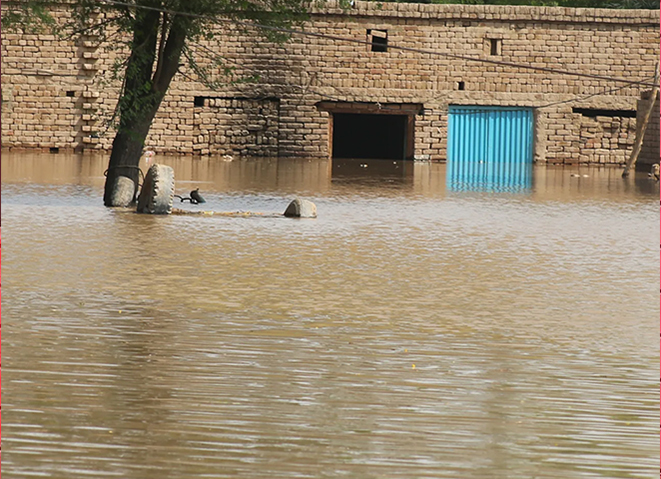
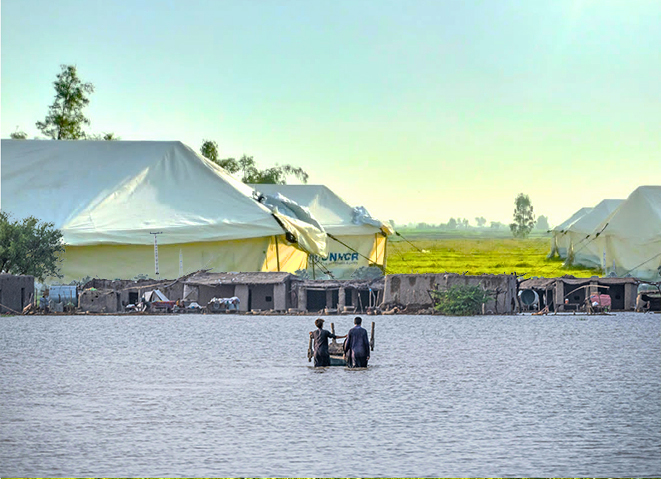
Relief activities (food rations and medical assistance); Relief and early recovery operations; Search & rescue, emergency relief, shelter & food via community organizations & LSOs; Response efforts including damage assessments & rehabilitation planning; Food, water & medical support via organized institutions; Medical camps, emergency tents, housing units, food, hygiene kits, GBV awareness, psychosocial support, birthing kits & livestock vaccinations; Medical camps, tents, relief efforts, NFI, food/ration, hygiene kits distribution, TLCs. |
provided food
provided shelter
women reached under protection, GBV & women empowerment
provided non-food items
livestock provided vaccination/support
houses constructed / rehabilitated
CPI rehabilitation
MHM / hygiene kits distributed
schools rehabilitated
students returned to school
stitched clothes & shoes distributed
provided agricultural support
GBV / child protection / psychosocial awareness sessions
drinking water provision / cans distributed / h20 wheels
received medical care
households provided cash grants
TLCs Established
people affected
people displaced
houses damaged
lives lost
people injured
acres of agricultural land badly affected
Households provided food packages
Households provided NFI’s
households provided tents
people treated at medical camps
hygiene kits distributed
people provided clean drinking water
TLC’s established
CPI’s rehabilitated
people affected
people displaced
calamity hit’districts
lives lost
people injured
acres of agricultural land badly affected
people provided cleandrinking water
people given cooked food
people provided emergency tents
people treated at medical camps
RSPN has actively collaborated with key government platforms, including the NCOC for its COVID-19 response and NDMA during disaster management efforts. To ensure efficient implementation and prevent duplication, RSPs coordinate with PDMAs and DDMAs. At the local level, they work closely with District Committees to align and enhance their humanitarian response.

DRR
TAHAFUZ Phases I, II, III
EARTHQUAKE 2005
FOSI-P Reviving Education in Earthquake-Affected Areas
USAID Capacity Building of Institutions Related to Earthquake
WB/JSDF Building Community Construction Project
USAID Reviving Education in Earthquake-Affected Areas
FLOODS 2007
DFID Livelihood Support & Transitional Shelters Project
ADB Emergency Relief Items to Flood-Affected Communities
FLOODS 2010
USAID BAHAAL
DFID KOMAK
USAID Sindh Agriculture Recovery Project
BPF Healthcare Interventions in Flood-Affected Areas of Sindh
USAID Emergency Relief Assistance Projects
APF Early Recovery in Remote Districts of KPK
humanitarian/emergency response projects implemented by RSPN
Billion PKR mobilised by RSPN for the Network
COVID 19
UNICEF Dissemination of Preventive Messages
UNICEF Reinforcement of Preventive Messages
ACF/ECHO Support to Govt. of Sindh
ISI CMDC
FLOODS 2022
BAT Post Flood Recovery in Rajanpur
TAF Flood Relief Programme
Project Hope
Philip Morris Food Package Distribution
FLOODS 2025
FCDO – Safe Return to Learning
PepsiCo – Food Package Distribution
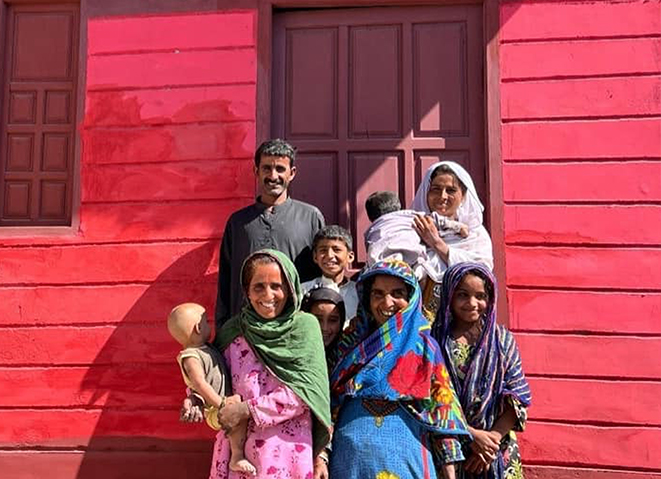
beneficiaries of RSPN’s disaster risk reduction efforts
beneficiaries in RSPN’s COVID-19 response
beneficiaries of RSPN’s flood relief work
beneficiaries of RSPN’s work after 2005 earthquake